Introduction:
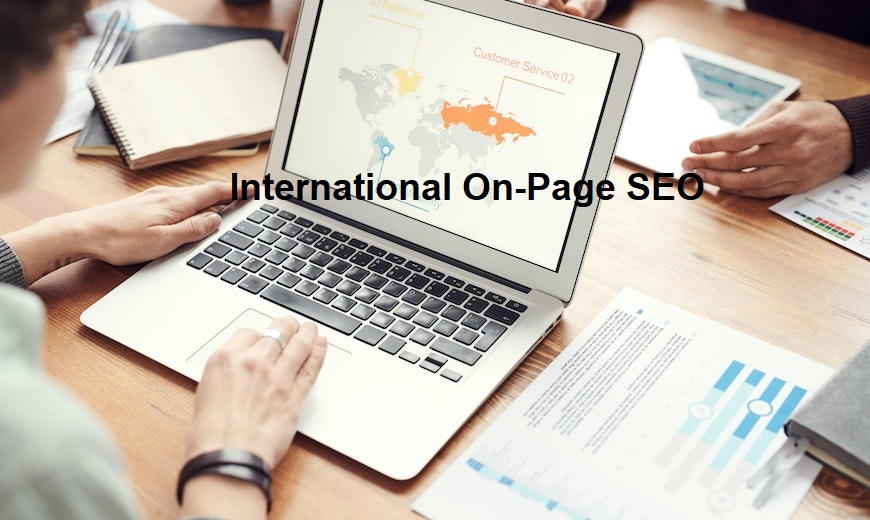
International on-page SEO refers to the process of optimizing individual web pages on a website to rank higher in search engines and attract more traffic from different countries and languages. It involves tailoring the language, content, and structure of a website to the specific needs and preferences of international audiences. By focusing on international on-page SEO, businesses can improve their visibility and relevance in search results for specific countries and languages, increase their website traffic and engagement, and ultimately, expand their global reach and customer base. However, international on-page SEO requires a different approach and set of best practices than traditional SEO, as it must take into account the nuances and cultural differences of each market being targeted.
What is International on-page SEO?
International on-page SEO refers to the optimization of website content for multiple languages and regions in order to improve its visibility and rankings in search engines for international audiences.
This includes optimizing elements such as meta tags, titles, descriptions, headers, images, and URLs to ensure that they are relevant and accurately reflect the content of the page in each language and region. It also involves ensuring that the website structure and navigation are user-friendly and easy to understand for visitors from different countries.
Other important considerations for international on-page SEO include ensuring that the website is properly translated and localized, using hreflang tags to indicate which language and country versions of the page are intended for specific audiences, and avoiding duplicate content issues that can harm the website’s search engine rankings.
Effective international on-page SEO can help businesses reach and engage with a wider audience, increase website traffic and conversions, and ultimately drive business growth and success on a global scale.
Importance of International SEO:
International SEO, or search engine optimization, is the process of optimizing your website to rank well in search engines for different countries and languages. It is important for businesses that operate globally or target audiences in multiple countries because it allows them to reach and engage with their target audiences more effectively.
Here are some reasons why international SEO is important:
- Increased visibility in search engines: By optimizing your website for different countries and languages, you can improve your visibility in search engines and reach a wider audience.
- Better user experience: When you create localized content, you can improve the user experience for your international audience. This can increase engagement and improve conversion rates.
- Higher conversion rates: By optimizing your website for different countries and languages, you can increase the chances of converting visitors into customers. This is because users are more likely to engage with content that is relevant to them.
- Competitive advantage: By investing in international SEO, you can gain a competitive advantage over businesses that do not have a global SEO strategy.
- Cost-effective: Compared to other international marketing strategies, international SEO is relatively cost-effective. Once you have optimized your website for different countries and languages, it can continue to generate traffic and leads without requiring significant ongoing investment.
Overall, international SEO is essential for businesses that want to expand their global reach and engage with international audiences. By optimizing your website for different countries and languages, you can improve your visibility in search engines, provide a better user experience, and increase conversion rates, all while gaining a competitive advantage and minimizing costs.
Factors that influence International on-page SEO:
On-page SEO refers to the optimization of individual web pages to rank higher in search engines and attract more traffic. When it comes to international on-page SEO, there are several factors that can influence your website’s ability to rank well in different countries and languages. Here are some of the most important factors:
- Language and content: The language and content of your website should be tailored to the country and language you are targeting. This means using the appropriate language and cultural nuances in your content and ensuring that it is relevant to your target audience.
- Keywords: Conduct keyword research for each country and language you are targeting. This will help you identify the most relevant and popular keywords in each market and optimize your content accordingly.
- URL structure: Use country-specific top-level domains (TLDs) or subdomains to indicate to search engines that your website is intended for a specific country or language.
- Meta tags: Use language-specific meta tags, such as title tags and meta descriptions, to help search engines understand the content of your pages and display relevant snippets in search results.
- Hreflang tags: Use hreflang tags to indicate to search engines which language and country a particular page is intended for. This helps to prevent duplicate content issues and ensures that the correct version of your site is shown to users in different countries.
- Site speed: Ensure that your website loads quickly in all countries, as site speed is an important ranking factor for search engines.
- Mobile optimization: Ensure that your website is mobile-friendly and optimized for different devices and screen sizes, as an increasing number of users access the internet on mobile devices.
- Localized content: Create localized content, such as city-specific landing pages or location-based pages, to improve your relevance in local search results.
By focusing on these factors and optimizing your website for different countries and languages, you can improve your international on-page SEO and attract more traffic and customers from around the world.
The best practices for optimizing on-page SEO for International:
Optimizing on-page SEO for international websites requires a different approach than traditional SEO. Here are some best practices to follow to ensure that your website is optimized for international audiences:
- Conduct keyword research for each country and language: Use keyword research tools to identify the most relevant and popular keywords in each market. This will help you to optimize your content and meta tags for each language and country.
- Use localized content: Create localized content that is relevant to each country and language. This can include city-specific landing pages, location-based pages, and cultural nuances that resonate with local audiences.
- Use the appropriate URL structure: Use country-specific top-level domains (TLDs) or subdomains to indicate to search engines that your website is intended for a specific country or language.
- Use hreflang tags: Use hreflang tags to indicate to search engines which language and country a particular page is intended for. This helps to prevent duplicate content issues and ensures that the correct version of your site is shown to users in different countries.
- Optimize meta tags: Use language-specific meta tags, such as title tags and meta descriptions, to help search engines understand the content of your pages and display relevant snippets in search results.
- Use local structured data: Use structured data that is relevant to each country and language. This can include local business information, reviews, and events.
- Optimize for mobile: Ensure that your website is mobile-friendly and optimized for different devices and screen sizes, as an increasing number of users access the internet on mobile devices.
- Focus on site speed: Ensure that your website loads quickly in all countries, as site speed is an important ranking factor for search engines.
- Use social media: Use social media to promote your website and reach out to local audiences. This can include local social media platforms that are popular in each country.
By following these best practices, you can ensure that your website is optimized for international audiences and ranks well in search engines for different languages and countries. This will help you to attract more traffic and customers from around the world and expand your global reach.
Conclusion:
In conclusion, international on-page SEO is an essential aspect of any global marketing strategy. By optimizing your website’s individual pages for different countries and languages, you can improve your search engine visibility, attract more targeted traffic, and increase your online presence in new markets. To succeed in international on-page SEO, it is important to conduct extensive keyword research, create localized content, and use appropriate URL structures, meta tags, and hreflang tags. Additionally, mobile optimization, local structured data, and social media promotion are also critical factors to consider. By following these best practices, businesses can achieve greater success in their international SEO efforts and capitalize on the opportunities offered by global markets.